The process of SEO may sound simple and easy, but there are various steps that need to be followed to make the SEO plan successful. It is not just content, on-page, and off-page optimization processes that help in bringing a website to the top position on major search engines.
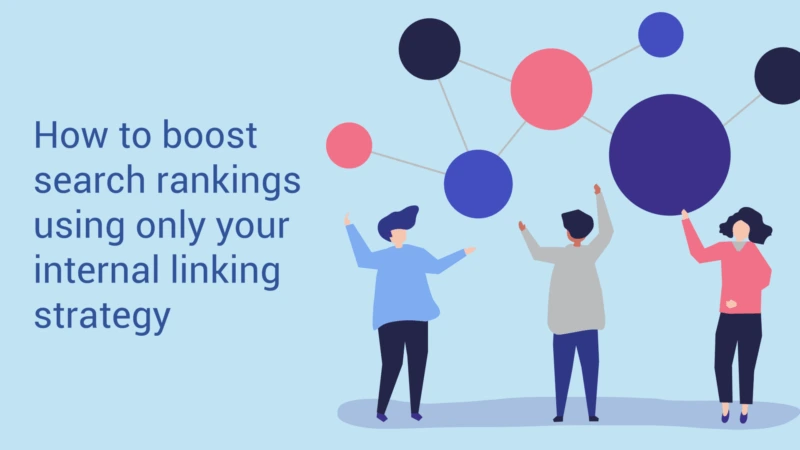
There are aspects like internal linking that can help you achieve a relevant position in SERPs. A well-designed internal linking strategy will surely improve the SERP performance and usability of the website for visitors. Build internal links with targeted keywords and see how fast it can help improve keyword rankings in search engine result pages.
What is Internal Linking in SEO?
Internal linking refers to linking one page of a website to another page within the same website.
A well-designed internal linking strategy helps in the flow and distribution of relevance, importance, and authority throughout a website. Internal linking structure becomes even more important for large websites with hundreds of inner pages.
Why Internal Linking is Important
Improves SERP Rankings
A proper internal linking structure helps search engines understand page importance and improves ranking potential.
Distributes Link Authority
Internal links pass value (link equity) across pages, strengthening overall SEO performance.
Enhances User Experience
It improves navigation and helps users easily find relevant content on the website.
Best Practices for Internal Linking
Use Keyword-Based Anchor Text
Create internal links using major keywords instead of generic phrases like “Click Here” or “Home.” Use keyword-based anchor text to get maximum SEO benefits.
Don’t Ignore Its Potential
Most SEO professionals fail to realize the potential of internal linking; it is one of the fastest and easiest ways to improve rankings.
Link Important Pages Strategically
Internal linking helps bring all important pages of the website into ranking for major keywords and helps increase overall website traffic.
Internal Linking Structure Optimization
Improve your website’s internal linking structure through:
- Text link navigation
- Footer links
- Inline contextual links
Most SEO agencies place navigation links on the left side of the page so that search engines can easily crawl and understand them.